Much has been said about the benefits of olive oil. Cooking with olive oil is safe for health, while using it not only for refills, but also for processing products under the influence of high temperature. However, by making some mistakes when buying, applying and storing olive oil, we reduce its useful properties. Find the most important 5 olive oil dont’s when cooking with it.
What doesn’t “love” olive oil ?
- Standing at the stoveVery often there is a layout, when all the oils at the hostess “at hand” – right at the stove. It’s certainly convenient. But olive oil, like all other oils, do not like heat, and require storage in a dark and cool place. From constant heating spoils the taste and from the oil begin to emit harmful substances.
2. Using of olive oil for other purposes
The oil of the first press will perfectly complement the salad, but it is not suitable for frying – at high temperature it will lose all its useful substances and highlight carcinogens. Ideal to cook the products on the grill, and only then sprinkle them with high-quality olive oil before serving.
Each olive oil, depending on many factors, has a different taste, and what is suitable for salad, will be tasteless in the soup. Save a few bottles of butter of different flavors and diversify your diet.
READ OLIVE OIL CAN REPLACE THE CREAM! DEBUNK ANOTHER MYTH
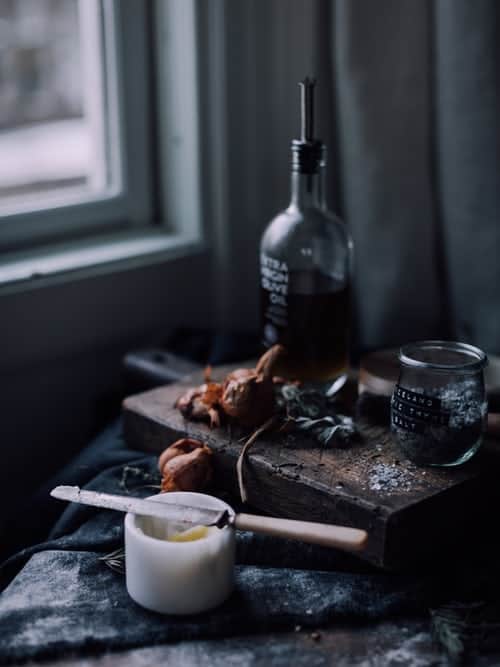
- Transparent bottlesOlive oil has two serious enemies – oxygen and light. Open bottle and transparent glass of storage utensils make the oil harmful to use, it oxidizes and changes the taste. Therefore, quality olive oil is sold in darkened bottles. And do not pour it into any, albeit beloved, other container.
- Plastic bottlesThe plastic bottle most likely will not break in the fall, it is lighter and often has a comfortable shape. But oil takes away from plastic all harmful substances, and the probability that it is a quality and natural product is zero. All self-respecting producers pour olive oil into dark glass.
- Use after the end of the shelf lifeSuch an expensive product as olive oil, few dare to throw out after the expiration of the shelf life. Most simply do not track the date of production – and in vain. Of course, “the carriage will not turn into a pumpkin”, but the quality, taste and composition of the oil changes over time. Pay attention to the date of production when buying, then constantly review the stock at home – from the old oil is better to get rid of than to get yourself health problems.
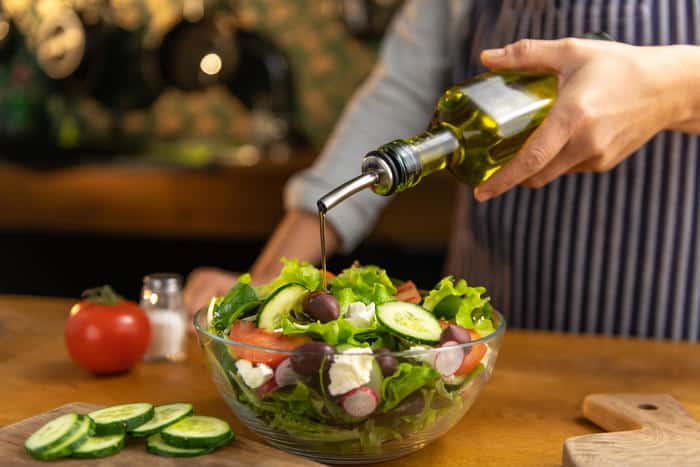
What color should the oil have?Most sources argue about whether the olive oil is “right” – light or dark. In fact, the color of the oil depends on the variety, the country of growth, the harvest and the time of its collection. A quality product can be of any color and shade.
Featured image credit: unsplash.com