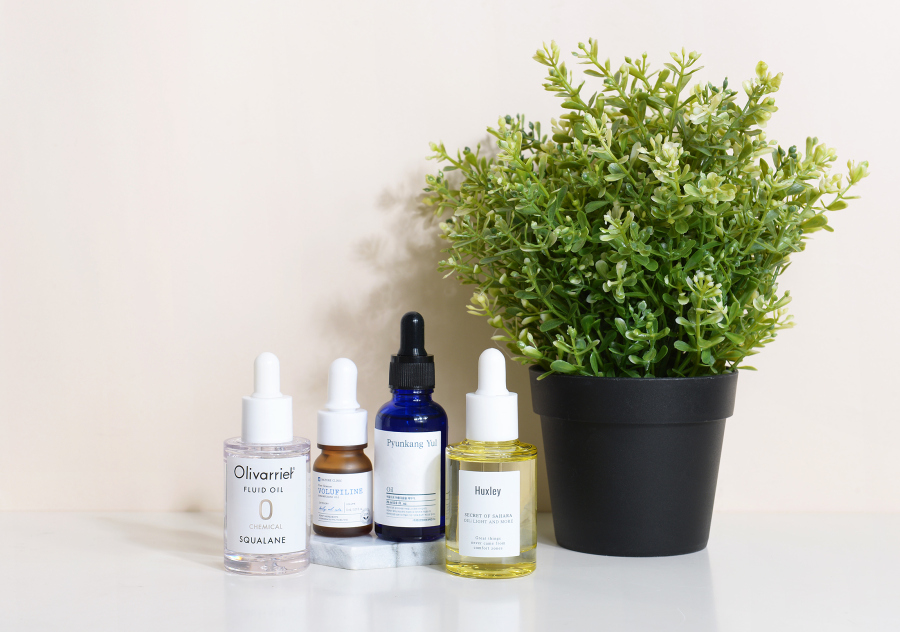
As we ease into the -ber months (or brrr months), we’re reminded of the effects of dry winter air on our skin. It’s tough fighting flaky winter skin, and no matter how much heavy cream or hydrating serum you slather on, you can still be left with dry and dull skin. Luckily, there are ways around that!
Face oil, meet skin. Skin, meet face oil.
Everything You Need To Know About Face Oils
What Are Face Oils?
Face oils go way back, with women having used them for centuries. Consider face oils to be beauty elixirs – they’re a gateway to soft, dewy and supple skin. The main purpose of face oils is to nourish the topmost layer of the skin while also acting as a protective layer to help prevent moisture loss.
Unlike moisturizers, face oils aren’t humectants and don’t deliver long-lasting hydration. However, their ingredients will help repair signs of skin damage, and also give skin an extra boost of moisture. So don’t make the mistake of replacing your everyday lotions or creams with face oils, and instead treat them as an essential addition to your skin care routine, particularly in the winter. It’s perfectly fine to apply them throughout the year if you have dry skin but oily skin types should only use them during fall or winter when skin gets a little drier than usual.
Face oils are also multi-tasking. Aside from providing moisture to your face during winter, face oils do wonders for other parts of the body. You can apply them on the dry ends of your hair, use them as cuticle oil, or save some for summer to mix with a body lotion to heal your sunburns.
What Do Face Oils Do?
Face oils make skin soft and smooth and, depending on the type you use, they can even out skin tone, reduce the appearance of fine lines and wrinkles, improve skin elasticity and brighten complexion. In order to see the effectiveness of a face oil, make sure to factor in your skin type and main skin concerns before picking one. The way you apply face oils also affects their performance so it’s important to know the right method of application.
Image: Pinterest
How Do You Use Face Oils?
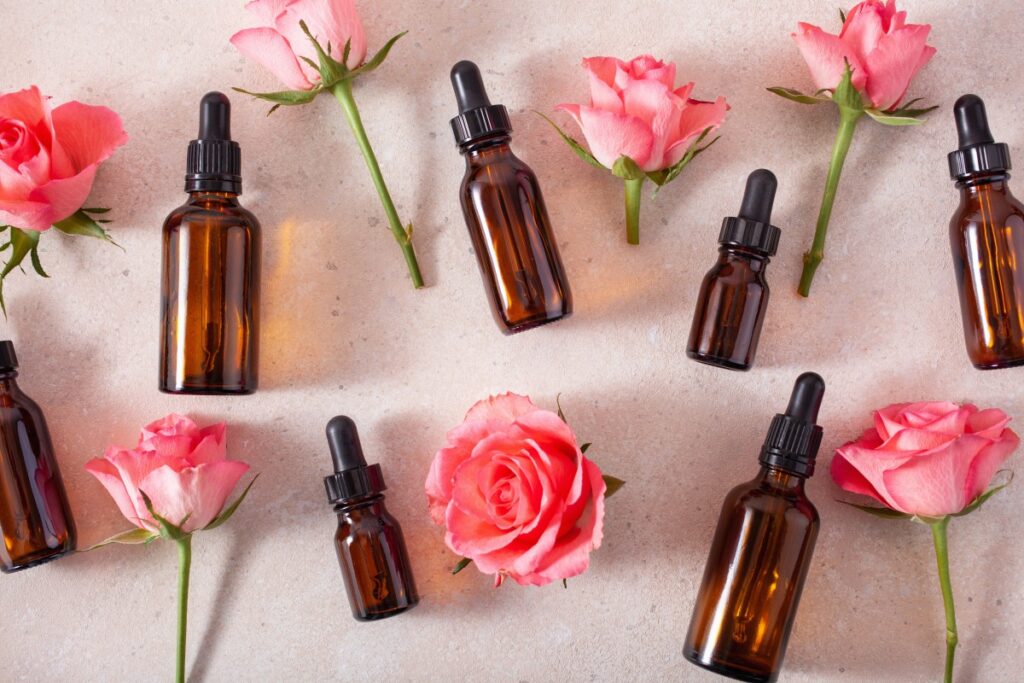
Face oils are packaged in fancy glass dropper bottles that most of you will surely be attracted to when eyeing them on store shelves. Remember the #1 rule of layering: apply products from the thinnest to the thickest consistency.
The ideal time to apply face oil is at night as this is when your skin goes into “repair” mode. Save the oil for the final step of your routine, add a few drops onto your skin, and let the ingredients work their magic overnight! The next thing you know, you’ll wake up to skin that’s never looked so plump! Avoid rubbing the oils on your skin and instead, pat or dab them as this will help your skin absorb the oil better.
If you have dry skin, you can use face oil twice a day, every day. You can also mix in a few drops with your moisturizer to boost moisture. TOSOWOONG’s Volufiline 100% Botanic Oil is perfect for dehydrated skin and also fights signs of aging.
It’s a different case for oily and combination skin – these skin types should use face oils sparingly, limiting usage to just once per day or even just on days when your skin feels tight and dehydrated. Pyunkang Yul’s Oil is a fool-proof choice – plus it’s paraben free!
Will Face Oils Clog My Pores?
Face oils provide plenty of benefits that your skin will love but if you make the mistake of choosing the wrong oil for your skin type, you might end up with irritated skin. No matter what your skin type is, stay away from mineral oils as this type of oil is comedogenic and pore-clogging.
Oily skin types should also avoid using coconut oil as it can be too heavy for skin that already produces an excessive amount of sebum. Besides, coconut oil is so thick that it can’t penetrate the skin and just sits on the surface. This hinders the skin from breathing and ends up clogging pores! Instead, opt for non-comedogenic oils like jojoba, geranium, argan, sunflower, tea tree or rosehip oil, which all have lightweight, non-greasy formulas and reduce excessive sebum production.
Where Do I Start?
Confused about which oil to try? If you’re new to face oils and are overwhelmed by the wide and endless selection, you can start with some of YesStyle’s bestselling oils:
TOSOWOONG – Volufiline 100% Botanic Oil
Pyunkang Yul – Oil
Huxley – Oil Light And More
Olivarrier – Fluid Oil
“Orange Peel” On the Legs and the But: How to Get Rid of Cellulite
Discover Ancient Greek Beauty Secrets