Choosing the right mobile operating system is a pivotal decision that shapes your daily digital experience, from app access to privacy and customization. With iOS and Android dominating the global smartphone market, most users find themselves comparing these two giants. However, alternatives like HarmonyOS and Ubuntu Touch are quietly expanding the landscape. In this article, we’ll explore what sets these platforms apart, examine their strengths and weaknesses, and guide you toward making the best choice for your lifestyle and needs.
NEXT >>
Identify Your Core Needs and Preferences
Evaluating device needs: app reliance, integration, security, budget, brand preference, and customization. | Generated by Google Gemini
Begin by assessing how you use your device: Are you reliant on specific apps, seamless integration with other tech, or enhanced security? Consider your budget, preferred device brands, and whether you prioritize customization or simplicity. Understanding these factors helps filter out platforms that won’t meet your daily demands.
For example, extensive integration with Apple products may steer you toward iOS, while a wider range of budget-friendly devices is a hallmark of Android (source). Clarifying your habits and preferences is the first step in making an informed, satisfying decision.
<< Previous
NEXT >>
Compare User Experience and Interface
Comparing iOS and Android: seamless consistency versus customizable interfaces for personalized everyday experiences. | Generated by Google Gemini
Evaluate how each operating system feels in everyday use. iOS is known for its clean, consistent design and intuitive navigation, offering a seamless experience with limited customization. In contrast, Android provides extensive personalization—from widgets to default apps—allowing you to tailor your device to your preferences.
Accessibility features also differ, so consider your specific needs. Testing demo devices in-store or watching user interface tours can help you visualize the differences (source). By comparing these aspects, you’ll better understand which platform aligns with your daily habits and comfort.
<< Previous
NEXT >>
Evaluate App Ecosystems and Compatibility
Comparing app selection, exclusivity, and ecosystem compatibility across Apple App Store and Google Play. | Generated by Google Gemini
Assess the range and quality of apps available on each platform. The Apple App Store is renowned for its curated selection and early access to many exclusive apps, while the Google Play Store offers a broader variety and greater flexibility. Consider whether your must-have apps are available and updated on your chosen platform. Additionally, think about compatibility with other devices and services, such as wearables or smart home tech (source). Ensuring ecosystem compatibility is key for a seamless digital experience.
<< Previous
NEXT >>
Consider Security and Privacy Features
Comparing mobile platforms on security, privacy controls, update frequency, and data protection measures. | Generated by Google Gemini
Security and privacy are crucial factors when choosing a mobile platform. iOS is praised for frequent OS updates, strict app permissions, and robust privacy controls. Android offers customizable privacy settings, but update frequency and security can vary by manufacturer.
Alternative systems like Ubuntu Touch emphasize open-source transparency. Evaluate each platform’s approach to data protection, app permissions, and security patches (source). Prioritizing strong privacy and regular updates will help protect your data and give peace of mind as you use your device daily.
<< Previous
NEXT >>
Explore Alternative Operating Systems
Exploring HarmonyOS and /e/OS: unique mobile platforms catering to privacy and IoT-focused users. | Generated by Google Gemini
While iOS and Android dominate the market, alternatives like HarmonyOS and /e/OS offer distinct advantages for niche users. HarmonyOS boasts strong integration with IoT devices and seamless multi-screen collaboration, making it ideal for those invested in Huawei’s ecosystem. /e/OS appeals to privacy enthusiasts with its open-source foundation and Google-free experience, though app availability may be limited (source). These platforms may not suit everyone but are worth considering if your needs or values differ from mainstream users.
<< Previous
NEXT >>
Assess Device Variety and Budget
Comparing device options and budgets: Apple’s premium lineup versus Android’s wide range of choices. | Generated by Google Gemini
Device selection and budget are major factors in your choice. Apple offers a curated lineup of iPhones with premium build quality, but at higher prices and fewer options. In contrast, Android supports a vast range of devices, from affordable entry-level phones to top-tier flagships, accommodating nearly every budget (source). For alternative OS platforms like /e/OS, device compatibility is more limited but growing. Weighing your budget against available models ensures you find a device that fits both your needs and your financial plan.
<< Previous
NEXT >>
Factor in Ecosystem and Cross-Device Integration
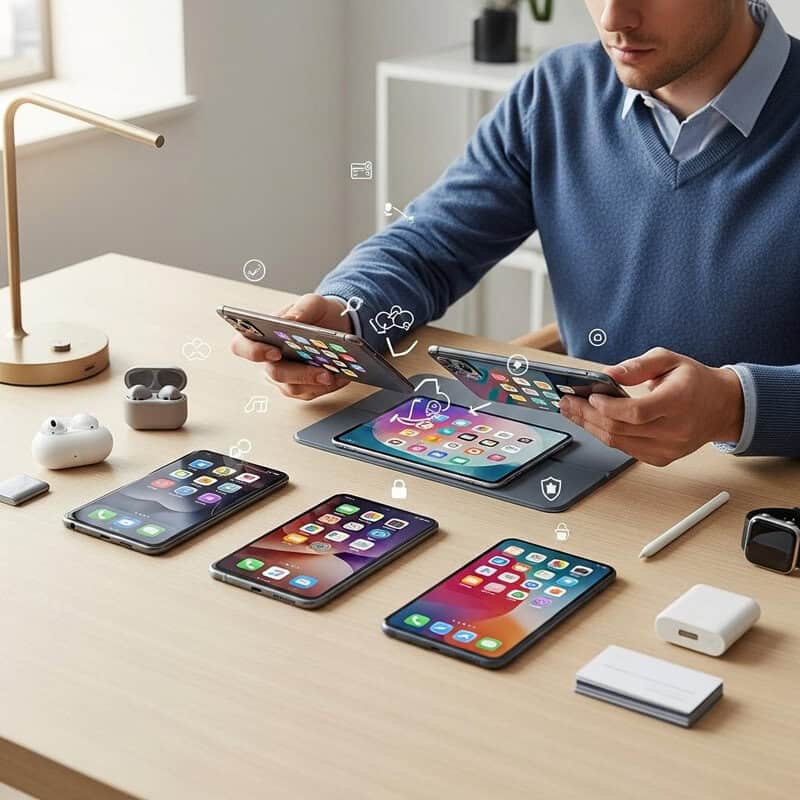
A collection of sleek devices seamlessly syncing data, surrounded by smart home gadgets working together in perfect harmony. | Generated by Google Gemini
Consider how well your chosen platform connects with other devices you own or plan to use. Apple’s ecosystem offers seamless integration between iPhone, iPad, Mac, and Apple Watch, enhancing productivity and convenience through features like Handoff and AirDrop (source).
Android provides flexibility across a wider variety of brands and supports integration with Google services, Chromebooks, and smart home devices (source). Alternative systems may offer less cohesive integration but can appeal to those seeking independence from major tech ecosystems. Prioritize compatibility for a smooth, connected experience.
<< Previous
NEXT >>
Try Before You Decide
Test devices in-store or online to compare features, performance, and comfort before purchasing. | Generated by Google Gemini
Before committing, take the opportunity to experience each system firsthand. Visit retail stores to test devices, explore their features, and compare performance in real time. You can also use online simulators like the Appetize.io demo for a virtual trial or borrow a device from friends or family for a day or two. Firsthand experience offers valuable insights into usability, speed, and comfort, helping you avoid buyer’s remorse (source). Immersing yourself in different platforms ensures your final choice truly fits your preferences and lifestyle.
<< Previous
NEXT >>
Conclusion
Thoughtful comparison of mobile platforms ensures a seamless, satisfying digital experience tailored to your needs. | Generated by Google Gemini
Making an informed choice about your mobile operating system shapes your daily digital experience and long-term satisfaction. By carefully considering your needs, comparing user interfaces, assessing app ecosystems, and weighing privacy, security, and budget, you can confidently select the right platform.
Don’t overlook the importance of ecosystem integration and hands-on testing to ensure comfort and compatibility. Whether you choose iOS, Android, or an alternative OS, a thoughtful approach guarantees the best fit for your unique lifestyle (source). Remember, your device should empower you—so choose with your priorities in mind.
<< Previous

%22%20%2F%3E%0A%20%20%20%20%20%20%3Cstop%20offset%3D%22100%25%22%20stop-color%3D%22hsl(121%2038%25%2069%25)%22%20%2F%3E%0A%20%20%20%20%3C%2FlinearGradient%3E%0A%20%20%3C%2Fdefs%3E%0A%20%20%3Crect%20width%3D%221200%22%20height%3D%22750%22%20fill%3D%22url(%23bg)%22%20%2F%3E%0A%20%20%3Ctext%20x%3D%22600%22%20y%3D%22286.5%22%20text-anchor%3D%22middle%22%20fill%3D%22hsl(130%2052%25%2036%25)%22%20font-family%3D%22Inter%2C%20ui-sans-serif%2C%20system-ui%2C%20sans-serif%22%20font-size%3D%2224%22%20font-weight%3D%22700%22%20letter-spacing%3D%220.22em%22%3ETECH%3C%2Ftext%3E%0A%20%20%3Ctext%20text-anchor%3D%22middle%22%20fill%3D%22hsl(327%2038%25%2020%25)%22%20font-family%3D%22Georgia%2C%20'Times%20New%20Roman'%2C%20serif%22%20font-size%3D%2250%22%20font-weight%3D%22700%22%3E%3Ctspan%20x%3D%22600%22%20y%3D%22351.5%22%3EYouTube%E2%80%99s%20%E2%80%98Open%20Letter%E2%80%99%20About%3C%2Ftspan%3E%3Ctspan%20x%3D%22600%22%20y%3D%22410.5%22%3ELogan%20Paul%20Isn%E2%80%99t%20Very%20Open%20At%3C%2Ftspan%3E%3Ctspan%20x%3D%22600%22%20y%3D%22469.5%22%3EAll%3C%2Ftspan%3E%3C%2Ftext%3E%0A%3C%2Fsvg%3E)