Fostering creativity in children is essential for their cognitive, emotional, and social development. Creative thinking not only fuels imagination but also helps kids solve problems and adapt to a rapidly changing world.
This guide will explore practical strategies—from nurturing curiosity to providing the right environment—to help unlock your child’s creative potential. By encouraging their unique ideas and supporting their creative pursuits, you can set the foundation for lifelong learning and innovation.
NEXT >>
Provide a Stimulating Environment
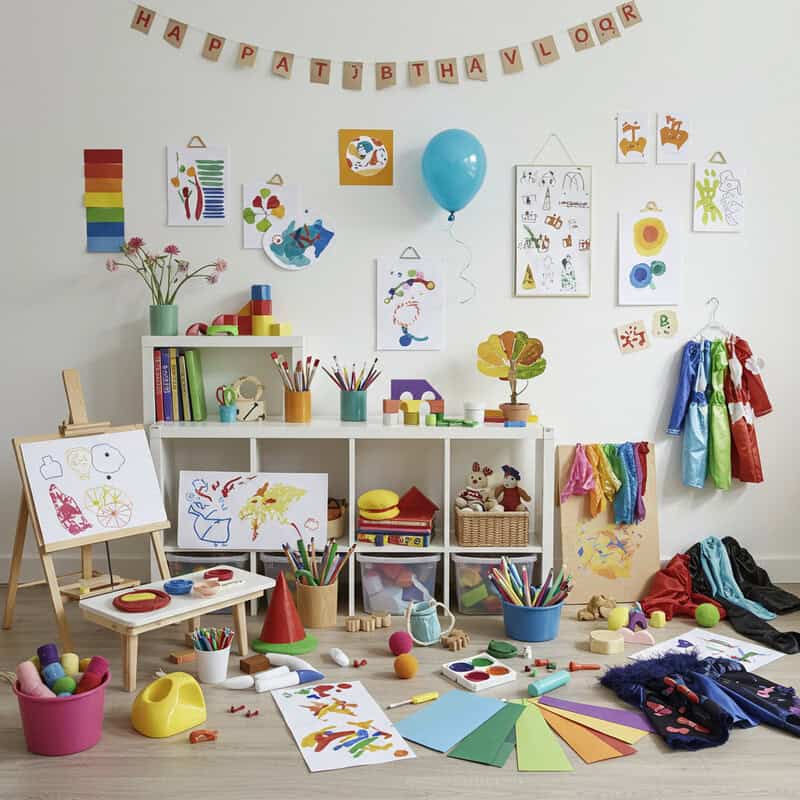
A vibrant playroom bursts with color, featuring neatly organized art supplies and a cozy craft area ready for creativity. | Generated by Google Gemini
Creating a space where children can explore freely is key to nurturing their creativity. Stock the area with a variety of materials such as colored paper, paints, clay, building blocks, and costumes for role play. Arrange these supplies within easy reach so kids feel empowered to experiment and invent.
Incorporate both structured and open-ended resources, allowing for guided projects and spontaneous creation alike. For more inspiration on designing creative spaces, explore NAEYC’s tips on supportive environments for young learners.
<< Previous
NEXT >>
Encourage Curiosity and Questions
A curious child eagerly asks questions while their attentive parent listens, nurturing a love of learning and discovery. | Generated by Google Gemini
Children are naturally curious, and their questions are the foundation of creative thinking. Instead of providing immediate answers, encourage them to think deeper by asking open-ended questions in return, such as “What do you think will happen if…?” or “Why do you suppose that is?”
This approach supports exploration and problem-solving, helping kids develop confidence in their own ideas. Embrace their curiosity by showing enthusiasm for their inquiries and guiding them to discover answers together. For more on fostering curiosity, visit PBS Parents’ guide on encouraging curiosity.
<< Previous
NEXT >>
Allow Freedom and Unstructured Time
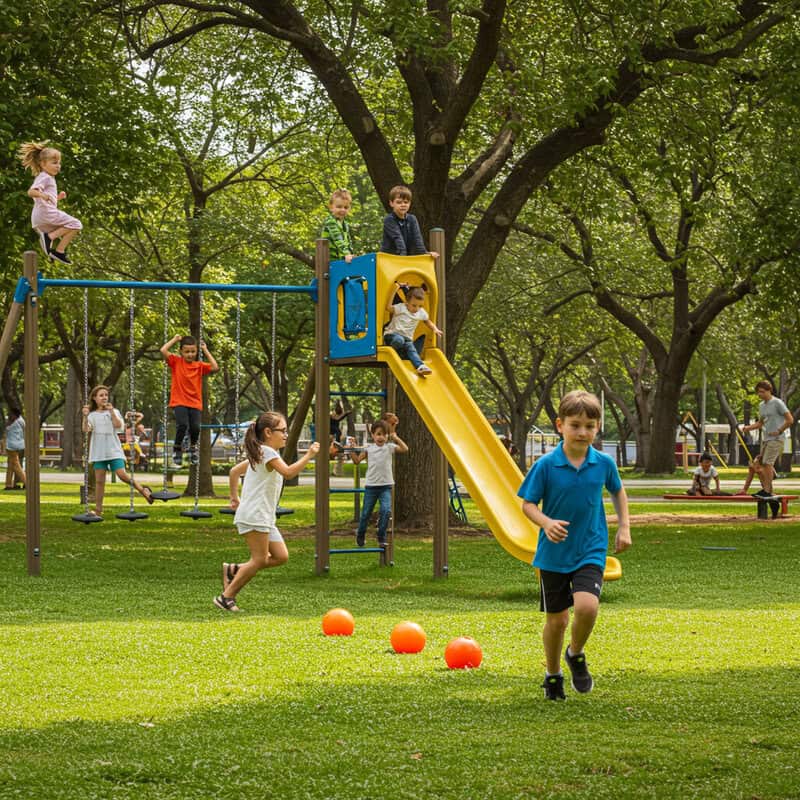
A group of kids laugh and chase each other across a grassy field, soaking up the joy of unstructured outdoor play. | Generated by Google Gemini
Allowing children ample time for unstructured play is essential for fostering creativity. When kids are not bound by strict schedules or constant directives, they can freely explore their interests, invent games, and express themselves in original ways.
This freedom encourages risk-taking and imaginative thinking, forming a crucial part of their creative development. Make sure to set aside daily periods where children can play independently or with peers without specific goals. For further insights on the value of free play, see Verywell Family’s article on unstructured play.
<< Previous
NEXT >>
Support Creative Risks and Mistakes
A child paints with bright colors while an encouraging adult smiles nearby, celebrating creativity and little mistakes alike. | Generated by Google Gemini
Encouraging children to take creative risks and view mistakes as opportunities for growth is vital for building resilience and innovative thinking. Celebrate their efforts, regardless of the outcome, and reinforce the idea that errors are a natural part of the learning process.
This supportive approach helps children develop confidence in experimenting with new ideas and expressing themselves authentically. By fostering a positive attitude toward trial and error, you lay the groundwork for lifelong problem-solving skills. For more on helping kids embrace mistakes, visit Parenting for Brain’s guide on learning from mistakes.
<< Previous
NEXT >>
Expose Children to the Arts and New Experiences
Children exploring music, dance, and art to spark creativity and appreciate diverse cultural traditions. | Generated by Google Gemini
Introducing children to music, dance, theater, and a variety of cultural experiences broadens their perspectives and inspires creative thinking. Attend concerts, visit museums, and explore different art forms together to spark curiosity and new ideas.
Exposure to diverse traditions and artistic expressions helps children appreciate different viewpoints and stimulates their imagination. Encourage participation in community events or creative workshops to further enrich their experiences. To learn more about the impact of the arts on child development, explore Encyclopedia on Early Childhood Development’s overview of the arts.
<< Previous
NEXT >>
Model Creative Thinking
Adults modeling creative problem-solving inspire children to embrace imagination and flexibility in daily life. | Generated by Google Gemini
Children often emulate the behaviors and attitudes of adults around them. By openly engaging in creative pursuits—such as painting, writing, tinkering, or brainstorming solutions to everyday problems—you demonstrate the value of creativity in daily life.
Share your thought processes out loud, showing how you approach challenges with flexibility and imagination. This active modeling encourages children to adopt similar strategies and view creativity as a natural, enjoyable part of problem-solving. For more ideas on modeling creativity, visit Scholastic’s guide on modeling creativity for kids.
<< Previous
NEXT >>
Provide Positive Feedback and Celebrate Effort
A beaming child proudly holds up their colorful artwork, surrounded by applause and joyful celebration of their creativity. | Generated by Google Gemini
Offering genuine encouragement and acknowledging a child’s creative efforts is essential for building self-esteem and motivation. Focus on recognizing the process and persistence, not just the final result. Celebrate their imaginative attempts and unique ideas, reinforcing that creativity is about exploration and growth.
Positive feedback helps children feel valued and inspires them to continue experimenting without fear of judgment. For more on the impact of encouraging creativity, see Understood.org’s advice on fostering creativity in children.
<< Previous
NEXT >>
Conclusion
Smiling children proudly display their colorful artwork while their family gathers around, sharing a joyful and creative moment together. | Generated by Google Gemini
Nurturing creativity in children requires intentional effort and a supportive environment. By providing stimulating spaces, encouraging curiosity, allowing unstructured time, supporting risk-taking, exposing children to the arts, modeling creative thinking, and celebrating effort, adults can help unlock a child’s creative potential.
These strategies not only foster innovation but also empower children with valuable life skills. Start implementing these steps today to inspire a lifelong love of learning and creative exploration. For additional resources and ideas, visit Creativity, Culture & Education’s parent guide.
<< Previous