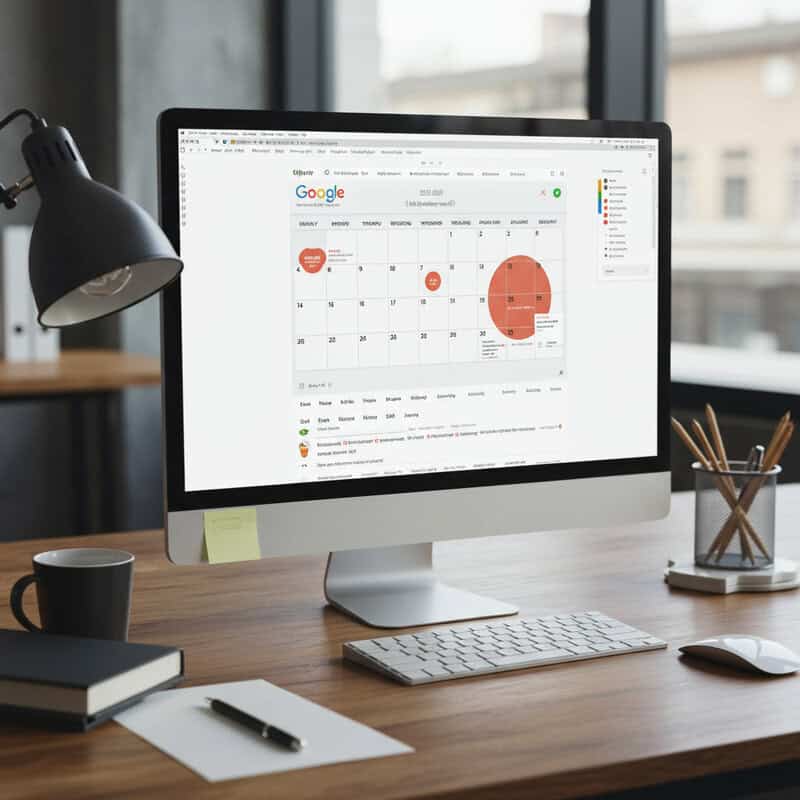
As our lives become increasingly intertwined with technology, many people experience digital fatigue—a combination of eye strain, mental exhaustion, and decreased productivity caused by prolonged screen time. According to the CDC, digital eye strain has become a common complaint among workers and students alike.
Proactively managing your screen habits is crucial for sustaining mental and physical health. This guide will offer practical strategies to reduce eye discomfort, boost focus, and reclaim a healthier relationship with your devices in our always-connected world.
NEXT >>
The Signs of Digital Fatigue
Recognize digital fatigue symptoms early—headaches, eye strain, and irritability signal the need for breaks. | Generated by Google Gemini
Understanding when you’re experiencing digital fatigue is the first step toward managing it effectively. Common symptoms include headaches, dry or irritated eyes, blurred vision, and difficulty concentrating. You might also notice increased irritability or trouble sleeping after prolonged screen use.
Being mindful of these warning signs enables you to take prompt action before fatigue worsens. For more comprehensive information on recognizing and addressing digital fatigue, visit the American Academy of Ophthalmology for expert guidance and resources.
<< Previous
NEXT >>
Set Healthy Screen Time Boundaries
Designating device-free zones and using screen time tools supports healthy digital habits and well-being. | Generated by Google Gemini
Establishing clear boundaries around your screen usage is vital for preventing digital burnout. Consider designating specific areas in your home as device-free zones—such as bedrooms or dining spaces—to encourage regular breaks.
Utilize built-in app timers or screen time management tools, like those described by Children’s Health, to monitor and limit your daily usage. These boundaries not only help reduce unnecessary exposure to screens but also foster healthier routines, allowing you to recharge both mentally and physically throughout your day.
<< Previous
NEXT >>
Take Regular Breaks and Use the 20-20-20 Rule
A woman gazes out a window from her desk, practicing the 20-20-20 rule for healthy eyes. | Generated by Google Gemini
Incorporating frequent breaks into your screen-heavy routine is essential for maintaining eye health. The 20-20-20 rule is a simple yet effective method: every 20 minutes, look at something 20 feet away for at least 20 seconds. This practice helps relax your eye muscles and prevents strain.
Additionally, stand up, stretch, and move around periodically to boost circulation and mental clarity. By intentionally scheduling short breaks, you not only protect your vision but also enhance overall focus and well-being during long periods of digital work.
<< Previous
NEXT >>
Optimize Your Digital Environment
A modern workspace setup features an ergonomic chair and monitor displaying a blue light filter, promoting comfort and eye health. | Generated by Google Gemini
Creating a comfortable digital environment can significantly reduce fatigue and improve productivity. Adjust your screen brightness to match ambient lighting, and consider using blue light filters or glasses, as recommended by Harvard Health Publishing, to minimize eye strain.
Position your monitor at eye level and about an arm’s length away, and ensure your chair supports good posture. Proper ergonomics, combined with thoughtful lighting and screen settings, help prevent discomfort and support sustained focus throughout your workday.
<< Previous
NEXT >>
Practice Digital Mindfulness
Practicing digital mindfulness fosters intentional device use, organized spaces, and a balanced online-offline life. | Generated by Google Gemini
Embracing digital mindfulness means being intentional about how and why you use your devices. Take time to declutter your digital space by organizing files and uninstalling unnecessary apps, as suggested by Mindful.org. Set clear intentions before engaging with screens, focusing on purposeful activities rather than habitual scrolling.
By cultivating awareness of your digital habits, you can reduce stress and maintain a healthier balance between online and offline life. Practicing mindfulness not only curbs digital fatigue but also enhances your overall sense of well-being.
<< Previous
NEXT >>
Prioritize Sleep and Offline Activities
Screen-free bedtime routines and offline activities foster restful sleep and restore digital-life balance. | Generated by Google Gemini
Ensuring quality sleep and engaging in offline activities are vital for combating digital fatigue. Creating a screen-free bedtime routine—such as reading a book, meditating, or journaling—helps signal to your brain that it’s time to wind down.
The Sleep Foundation recommends turning off devices at least 30 minutes before sleep to improve restfulness and recovery. Replacing evening screen time with restorative habits like walking, hobbies, or connecting with loved ones can further promote balance, boost mood, and enhance your overall well-being.
<< Previous
NEXT >>
Conclusion
A smiling person practices yoga outdoors at sunrise, embodying balance and a vibrant, healthy lifestyle. | Generated by Google Gemini
Effectively managing digital fatigue is essential for maintaining both physical health and mental well-being in a world dominated by screens. By recognizing the signs of fatigue, setting healthy boundaries, taking regular breaks, optimizing your environment, practicing digital mindfulness, and prioritizing offline activities, you can restore balance and boost productivity.
Remember that small, consistent changes can have a significant impact over time. For continued support on digital wellness, visit resources like Mayo Clinic to explore additional strategies for leading a healthier, more mindful digital life.
<< Previous