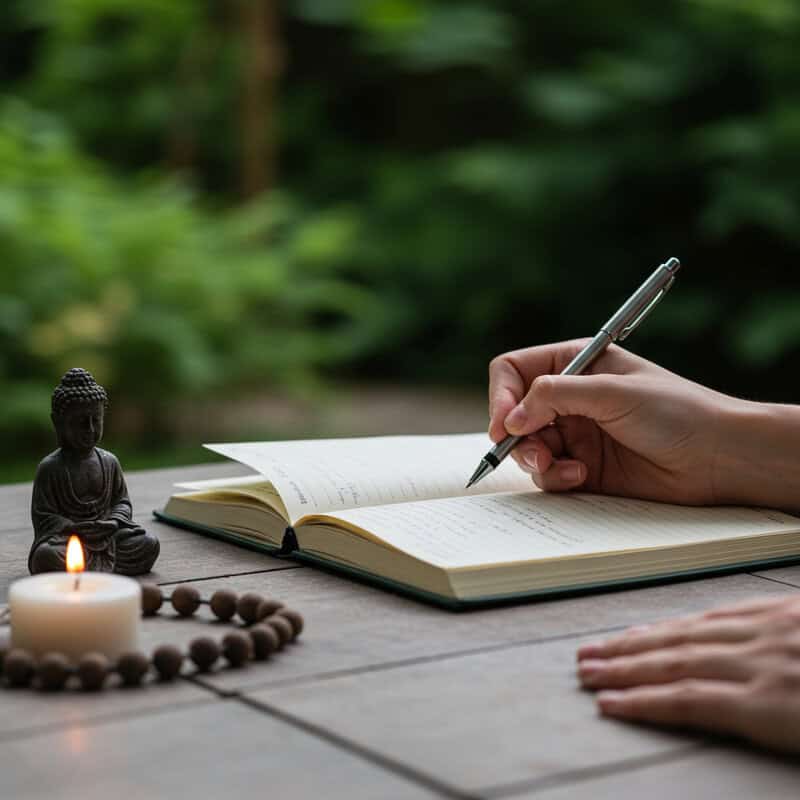
Inner peace is the state of mental and emotional calmness, with no anxiety, stress, or worry. Achieving this balance is essential for overall well-being, as it impacts physical health, relationships, and quality of life. In today’s fast-paced world, nurturing inner peace can help you manage challenges more effectively and foster resilience. This guide provides practical daily strategies to cultivate tranquility and harmony within yourself. By following these steps, you’ll discover how to build a foundation for lasting contentment and clarity.
NEXT >>
Start Each Day with Mindful Intention
A woman sits cross-legged by a sunlit window, journaling her intentions and practicing mindfulness to start her day. | Generated by Google Gemini
Beginning your morning with a mindful intention sets a positive tone for the day. Upon waking, take a few deep breaths and spend a moment in stillness. Silently ask yourself what quality—such as patience, gratitude, or compassion—you want to embody today. Repeat your intention quietly or write it down as a gentle reminder. This simple ritual helps focus your mind, reduce stress, and cultivate a sense of purpose. For more guidance on setting daily intentions, explore the advice from Mindful.org.
<< Previous
NEXT >>
Practice Daily Meditation
A peaceful person sits cross-legged on a cushion in a sunlit room, surrounded by plants and serene decor. | Generated by Google Gemini
Integrating meditation into your daily routine can significantly enhance emotional balance and mental clarity. Set aside just 5-10 minutes each day, preferably in a quiet space, to sit comfortably and focus on your breath. Techniques like guided meditation, body scans, or loving-kindness meditation can be helpful for beginners. Regular practice calms the mind, reduces stress, and fosters greater self-awareness. Even short sessions can make a noticeable difference in how you respond to challenges. For guided meditation resources and tips, visit Headspace.
<< Previous
NEXT >>
Cultivate Self-Compassion
A woman sits peacefully by a window, softly smiling as she places a gentle hand over her heart. | Generated by Google Gemini
Practicing self-compassion means treating yourself with the same kindness you would offer a friend. When you notice self-criticism, pause and gently replace harsh thoughts with supportive, understanding words. Engage in nurturing activities, such as writing affirmations or reflecting on your strengths. Remember that everyone makes mistakes—acknowledge them without judgment and allow yourself to grow. A compassionate inner dialogue can ease stress and support emotional healing. To explore self-compassion exercises and strategies, visit Dr. Kristin Neff’s Self-Compassion Resources.
<< Previous
NEXT >>
Embrace Gratitude
Daily gratitude reflections foster positivity, resilience, and a greater appreciation for life’s small joys. | Generated by Google Gemini
Developing a daily gratitude practice can transform your outlook and boost resilience. Each day, take a few moments to reflect on or write down three things you are grateful for, no matter how small. Consider keeping a gratitude journal or sharing your appreciation with others to deepen the impact. This simple habit shifts focus from what’s lacking to what’s abundant, promoting a more positive mindset. Over time, gratitude can help you navigate challenges with greater optimism. For inspiration and practical tips, explore the resources at Greater Good Science Center.
<< Previous
NEXT >>
Limit Negative Influences
A group of friends relax outdoors, laughing together as they set aside their phones for a refreshing digital detox. | Generated by Google Gemini
Protecting your inner peace involves recognizing sources of negativity in your daily life. This may include limiting exposure to distressing news, disengaging from toxic relationships, or avoiding environments that drain your energy. Curate your social media feeds to highlight uplifting and educational content, and set boundaries with people or situations that disrupt your well-being. By consciously choosing what and whom you allow into your mental space, you foster a more supportive and positive environment. For advice on managing media consumption and negativity, visit Healthline.
<< Previous
NEXT >>
Nurture Your Body and Mind
Balanced nutrition, regular movement, and restful sleep foster mental calm and emotional resilience. | Generated by Google Gemini
Physical self-care is deeply connected to cultivating mental calm and emotional stability. Prioritize a balanced diet rich in whole foods, hydrate regularly, and engage in consistent movement—whether it’s walking, yoga, or another enjoyable activity. Quality sleep is equally vital; aim for 7-9 hours each night to support cognitive function and mood regulation. When your body feels cared for, your mind is better equipped to manage stress and maintain equilibrium. For evidence-based tips on holistic self-care, explore resources from Mind UK.
<< Previous
NEXT >>
Connect with Nature
A winding trail leads through lush greenery and tall trees, inviting you to enjoy a peaceful nature walk outdoors. | Generated by Google Gemini
Spending time in nature offers powerful restorative benefits for the mind and body. Whether it’s a walk in the park, gardening, or simply sitting outside, engaging with the natural world can lower stress levels, improve mood, and foster a sense of grounding. Even brief outdoor experiences help quiet mental chatter and increase feelings of peace and clarity. Make it a daily habit to observe your surroundings—notice the colors, sounds, and scents of nature. For more on the science behind nature’s calming effects, visit American Psychological Association.
<< Previous
NEXT >>
Practice Acceptance and Letting Go
Cultivating acceptance through mindfulness and reflection fosters resilience, emotional balance, and inner peace. | Generated by Google Gemini
Embracing acceptance means acknowledging situations you cannot change and releasing the need to control outcomes. When you find yourself ruminating over difficulties, pause and take a few deep breaths. Remind yourself that some things are beyond your influence, and focus on actions within your control. Techniques such as journaling, mindfulness, and reframing negative thoughts can help you let go of stress and maintain emotional balance. Practicing acceptance fosters resilience and inner peace. For more strategies on acceptance and letting go, visit Psychology Today.
<< Previous
NEXT >>
Foster Supportive Relationships
Nurturing supportive relationships fosters inner calm, resilience, and personal growth through meaningful connections. | Generated by Google Gemini
Cultivating connections with positive, uplifting individuals plays a vital role in maintaining inner calm. Spend time with people who encourage your growth, listen without judgment, and support your well-being. Engage in meaningful conversations, share experiences, and express gratitude for supportive friends and family. Don’t hesitate to set boundaries with those who consistently bring negativity into your life. Strong, healthy relationships provide a sense of belonging and resilience during challenging times. For more insights on building nurturing social circles, visit Mayo Clinic.
<< Previous
NEXT >>
Reflect and Journal Regularly
A hand pens thoughtful reflections in a journal, surrounded by soft morning light and a steaming cup of tea. | Generated by Google Gemini
Regular self-reflection and journaling are powerful tools for nurturing inner peace. Set aside time each day or week to write about your thoughts, emotions, and experiences. This practice helps you process feelings, gain clarity, and recognize patterns in your behavior. Journaling can also track your progress, celebrate small victories, and reinforce positive changes. Over time, self-reflection fosters greater self-awareness and emotional resilience. For tips on starting and maintaining a reflective journal, visit PositivePsychology.com.
<< Previous
NEXT >>
Conclusion
Cultivating inner peace through daily mindfulness, gratitude, healthy habits, and supportive connections. | Generated by Google Gemini
Strengthening inner peace is an ongoing journey that requires consistent, mindful effort. By setting daily intentions, practicing meditation, embracing gratitude, nurturing your body, and fostering supportive relationships, you lay a solid foundation for lasting tranquility. Limiting negativity, connecting with nature, practicing acceptance, and reflecting through journaling further deepen your sense of calm and resilience. Remember, small, intentional actions each day can lead to profound and lasting change.
<< Previous