Raising responsible children is crucial for their success and happiness, yet many parents struggle to make these lessons engaging. Fortunately, blending responsibility with play transforms learning into an enjoyable experience. By incorporating games and creative activities, children naturally develop important life skills such as time management, empathy, and accountability.
This guide reveals playful strategies that empower kids to thrive while having fun. Discover how everyday moments can nurture responsible habits, set the foundation for future independence, and strengthen family bonds.
NEXT >>
Make Chores a Game
Smiling kids turn cleaning into a fun game, tallying points on a colorful reward chart in the background. | Generated by Google Gemini
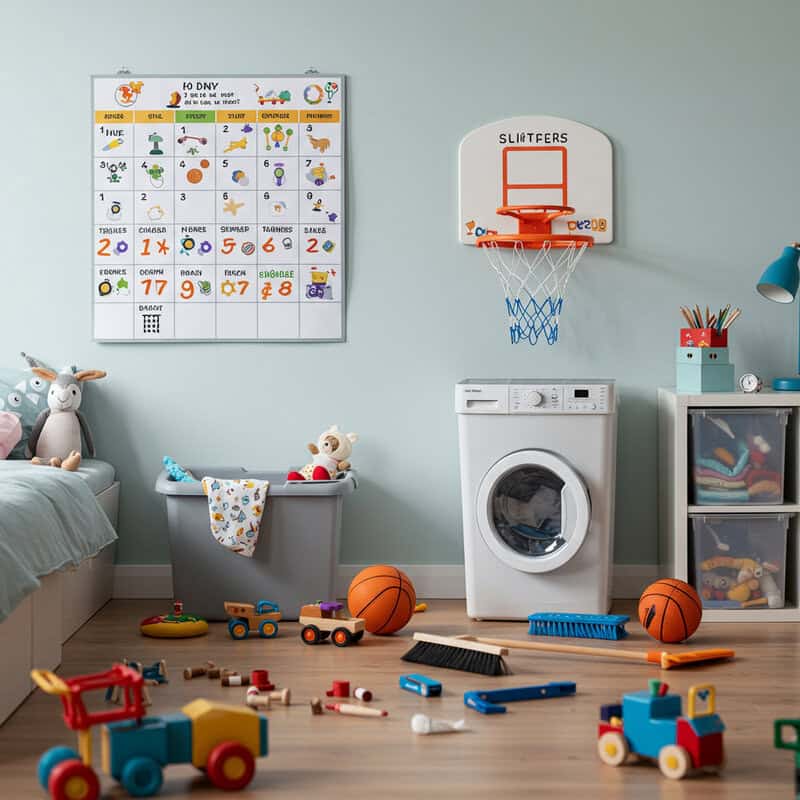
Turning chores into playful challenges can motivate kids to participate willingly while learning responsibility. Try setting a timer and racing to see who can tidy up their toys the fastest or create a chore chart with colorful stickers as rewards for completed tasks.
Team-based games, like “laundry basketball” or “sweep and seek,” encourage cooperation and make cleaning feel less like a burden. These fun approaches help children associate responsibility with positive emotions. For more creative ideas on gamifying chores, check out Parents.com’s guide to making chores fun.
<< Previous
NEXT >>
Use Reward Systems Wisely
Beaming children gather around a colorful star chart, proudly adding stickers as part of their classroom reward system. | Generated by Google Gemini
Implementing a reward system can motivate kids to practice responsibility, but it’s important to strike a balance to avoid dependency on external rewards. Use positive reinforcement, such as verbal praise or extra story time, to acknowledge responsible choices.
Consider goal-setting activities, like earning points toward a special family outing, to encourage consistency and self-motivation. Focus on intrinsic rewards—like a sense of achievement—rather than material prizes. This approach nurtures lasting habits and personal growth. For more tips on effective reward systems, visit Verywell Family’s guide to reward systems.
<< Previous
NEXT >>
Encourage Decision-Making
Two kids sit with their parents at the kitchen table, thoughtfully weighing options during a lively family discussion. | Generated by Google Gemini
Allowing children to make age-appropriate choices helps them develop independence and understand the impact of their actions. Let kids pick their outfits, choose between healthy snacks, or decide on weekend family activities. These interactive decisions teach cause and effect, building confidence and critical thinking.
When children experience the outcomes of their choices—both positive and negative—they learn accountability in a safe, supportive environment. Encourage open discussions about their decisions to reinforce learning. For more strategies on fostering decision-making skills in children, explore Child Mind Institute’s advice on decision-making.
<< Previous
NEXT >>
Model Responsible Behavior
A father helps his daughter set the dinner table, showing the importance of family routines and leading by example. | Generated by Google Gemini
Children absorb lessons by watching the adults around them, making it essential for parents and caregivers to demonstrate responsible habits consistently. Show accountability by keeping promises, managing your time effectively, and openly admitting mistakes.
Involve kids in your routines, such as meal planning or budgeting, to illustrate real-life responsibility in action. Consistent modeling helps children internalize these behaviors and understand their value. Remember, actions often speak louder than words. For further reading on the power of parental modeling, visit Zero to Three’s resource on role modeling.
<< Previous
NEXT >>
Incorporate Responsibility into Play
A group of kids joyfully teams up to play pretend pet care, nurturing stuffed animals with playful teamwork. | Generated by Google Gemini
Infusing responsibility into playtime makes learning life skills natural and enjoyable. Engage children in pretend play scenarios like running a store, being a chef, or caring for stuffed animals as “pets.” Assign roles in cooperative board games or team-based activities that require sharing, turn-taking, and group problem-solving.
These playful experiences teach organization, empathy, and accountability in a relaxed setting. Caring for real pets or plants can also instill a sense of daily duty. For more playful ideas to nurture responsibility, visit PBS Parents’ guide to teaching responsibility through play.
<< Previous
NEXT >>
Foster Routine and Consistency
A family gathers around a colorful wall chart as the children excitedly help organize their daily schedule together. | Generated by Google Gemini
Establishing predictable routines helps children understand what is expected of them and builds essential time management skills. Create a daily schedule that includes chores, homework, play, and relaxation, so responsibilities become a natural part of their day.
Consistent expectations reduce confusion and help kids feel secure, making it easier for them to remember and complete tasks independently. Visual aids like charts or checklists can reinforce routines and celebrate progress. For more tips on building effective family routines, explore HealthyChildren.org’s advice on routines.
<< Previous
NEXT >>
Celebrate Progress and Growth
A smiling family gathers around a colorful progress chart, cheering and applauding each other’s recent achievements. | Generated by Google Gemini
Recognizing children’s achievements in responsibility is vital for building self-esteem and reinforcing positive habits. Celebrate milestones—big or small—by offering specific praise, displaying their accomplishments, or organizing a family celebration.
Acknowledging effort and improvement motivates kids to continue acting responsibly and helps them feel valued. Simple gestures like a high-five or a special note can make a lasting impact. Consistent encouragement fosters resilience and a growth mindset, setting the stage for lifelong success. For more insights on the power of celebrating children’s growth, visit Care.com’s guide to celebrating achievements.
<< Previous
NEXT >>
Conclusion
Fostering responsibility in children through playful routines, positive modeling, and encouraging progress. | Generated by Google Gemini
Teaching children responsibility doesn’t have to feel like a chore—for you or your child. By integrating games, creative play, thoughtful reward systems, and consistent routines, you make learning these essential life skills engaging and memorable.
Modeling positive behavior and celebrating progress further inspire kids to embrace accountability with confidence. Remember, every small step counts toward raising independent and capable individuals. Stay patient, keep the process enjoyable, and watch your child’s sense of responsibility flourish. For additional strategies and inspiration, visit Positive Parenting Solutions.
<< Previous