By: Brian Syuki
Your kitchen contains more germs than any other room in your home. You probably catch more germs in your kitchen than in your bathroom.
According to the FDA, one in six people suffers food-borne illnesses every year due to exposure to germs at home and in restaurants. Some kitchen items are notorious for carrying germs. These are the most common culprits and how to keep them clean.
1. KITCHEN TOWELS
A study from Kansas State University says that kitchen towels are one of the most contaminated items in your home.
In most cases, people touch kitchen towels without washing their hands or use them after washing their hands inadequately. The worst part is that using a contaminated towel after thoroughly washing your hands contaminates them again.
You can reduce your exposure to germs by washing your kitchen towels every night. Also, keep them dry, since germs thrive in moisture.
2. DISH SPONGES
You probably already know that dish sponges are breeding grounds for germs. Sponges have pores that hold on to moisture and allow bacteria to thrive.
You can keep sponges clean by washing them in hot, soapy water every day. Then squeeze the water out before placing them on a spot with good air circulation, so they can dry completely.
Replace your sponges after every two to three weeks. If your sponges have a bad odor even after cleaning, discard them. It’s a sign of bacterial overgrowth.
3. CHOPPING BOARDS
Wooden and plastic chopping boards have fine cuts that offer germs the perfect environment to thrive. Surprisingly, this essential utensil is on the list of household items dirtier than the toilet seat.
You may have a higher risk of infection if you usually cut raw meat on the board. It leaves traces of bacteria, such as salmonella and campylobacter, which can cause food poisoning.
Unfortunately, cleaning the chopping board after use isn’t enough. To keep your chopping board clean:
- Use separate boards for raw and cooked food.
- Clean it with dish soap and hot water.
- Keep it dry all the time.
- Replace the old board with too many cuts.
- Try a glass chopping board.
4. CAN OPENER
Chances are you don’t clean your can opener as often as you should. This item is exposed to food every time you use it. As a result, your can opener may carry harmful germs, such as salmonella, mold and E. coli.
Toss the can opener in your dishwasher regularly, or clean it with soap and hot water, and let it completely dry before storing it.
5. THE SALT SHAKER
Using the salt or pepper shaker as you cook may transfer the germs from food to the shaker top. Then, you’ll transfer these germs to other foods later.
The good news is you can keep your shakers clean by wiping them with a soapy clean towel after you use them.
6. FOOD CONTAINERS
If you store leftovers in containers, you may have a higher risk of foodborne illnesses. Research shows food containers may contain traces of yeast, mold and salmonella.
Stop washing your food containers quickly. If you can’t wash them in the dishwasher, then soak them in water mixed with baking soda for 30 minutes before washing by hand, rinsing and drying them.
7. BLENDER GASKET
Your blender probably has bacteria buildup if you don’t usually disassemble and clean it thoroughly. Disassemble it after use and clean all parts with hot soapy water.
Some blenders, like certain high speed blenders, can’t be disassembled safely. If your blender’s instructions say not to take it apart, follow the cleaning instructions that came with it.
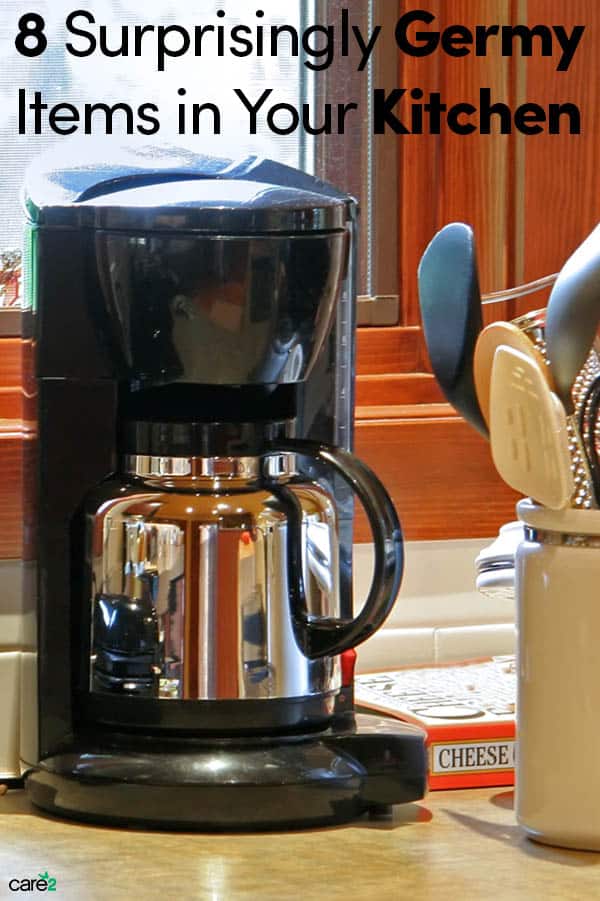
8. COFFEE RESERVOIR
You may be exposing yourself to yeast microorganisms and mold if you can’t remember the last time you cleaned your coffee reservoir. Tests actually show that these reservoirs are one of the things in your home that contain more bacteria than a toilet seat.
Follow the instructions in the manual on how to keep your reservoir and coffee maker clean. Clean the entire coffee maker at least once a month.
Which tricks do you use to reduce germs in your kitchen?
Images via Getty