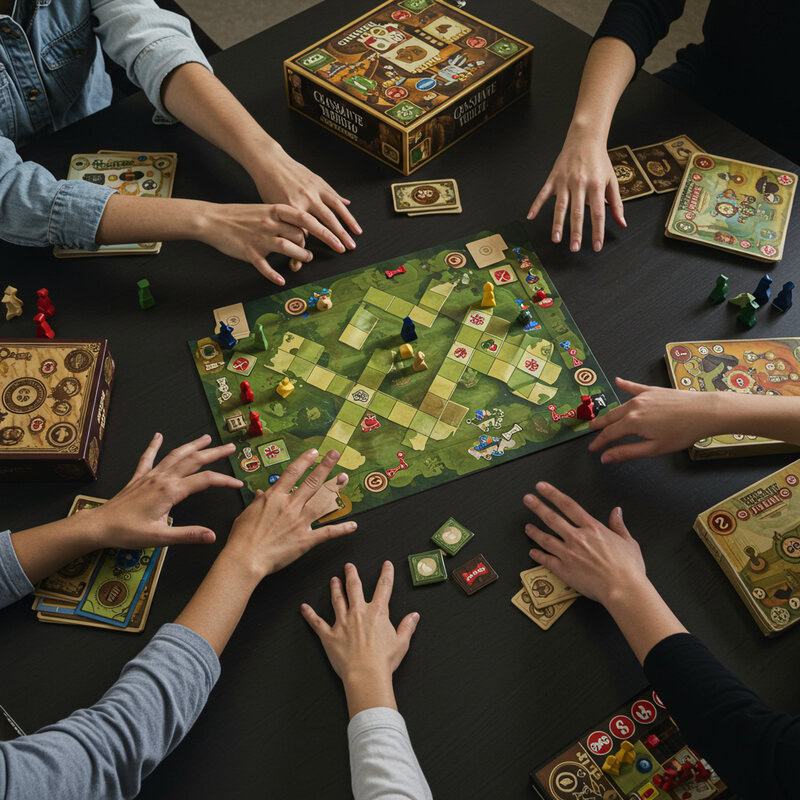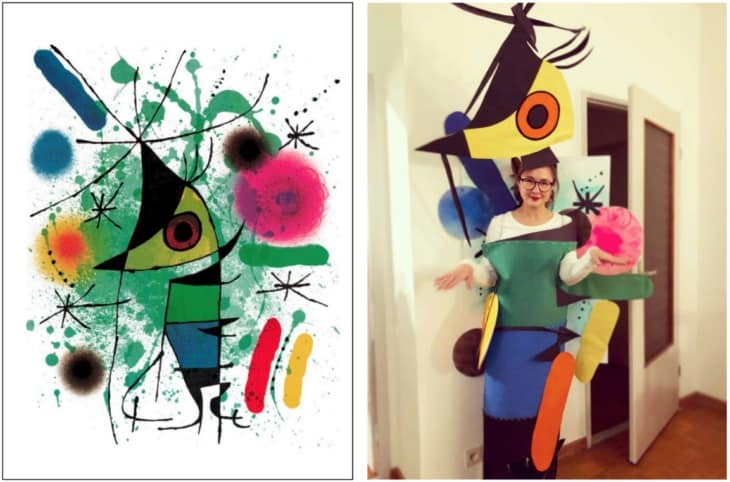
Mental youth is about more than just a sharp memory—it’s about curiosity, creativity, and adaptability at any age. Embracing new hobbies is a powerful way to keep your brain active and engaged, fostering fresh neural connections and a sense of purpose.
In this guide, you’ll discover how exploring unfamiliar activities can boost cognitive health, improve mood, and even delay age-related mental decline. Backed by research from sources like Psychology Today, we’ll show you how to harness hobbies for a younger, healthier mind.
NEXT >>
The Connection Between Hobbies and Mental Youth
A vibrant network of glowing brain neurons pulses with energy, illustrating the power of learning and an active lifestyle. | Generated by Google Gemini
Engaging in new hobbies stimulates the brain by encouraging neuroplasticity, the brain’s ability to reorganize and form new neural pathways. This adaptability keeps your mind agile and supports cognitive flexibility, which is crucial for problem-solving and creativity.
Studies show that lifelong learning and leisure activities can reduce the risk of cognitive decline and dementia. For example, research from The National Institute on Aging highlights how learning new skills can improve memory and overall brain function, helping you maintain mental youth as you age.
<< Previous
NEXT >>
Identify Personal Interests and Curiosities
Exploring personal interests through self-reflection leads to meaningful, motivating, and lasting hobbies. | Generated by Google Gemini
Discovering hobbies that genuinely excite you begins with self-reflection. Consider what activities have sparked your curiosity in the past or ask yourself what you’ve always wanted to try. Journaling, taking personality quizzes, or revisiting childhood passions can reveal hidden interests.
According to Harvard Health, pursuing activities you find meaningful increases motivation and makes it easier to build a consistent habit. By aligning your hobbies with your personal interests, you’ll find more joy and persistence in your new endeavors, making the benefits for your mental youth even greater.
<< Previous
NEXT >>
Choose a Manageable New Hobby
Choosing a manageable hobby enhances well-being by fitting smoothly into your lifestyle and routine. | Generated by Google Gemini
Selecting a new hobby is most rewarding when it fits seamlessly into your lifestyle and current abilities. Start with something realistic—consider your available time, budget, and resources. Look for activities that are accessible and don’t require expensive equipment or extensive travel.
Whether it’s painting, gardening, or learning a musical instrument, the key is to choose something you find both manageable and enjoyable. According to Psychology Today, manageable hobbies reduce stress and set you up for sustained engagement, making it easier to reap ongoing mental benefits.
<< Previous
NEXT >>
Set Achievable Goals and Track Progress
Setting small, achievable goals and tracking progress boosts motivation and makes learning new hobbies rewarding. | Generated by Google Gemini
Breaking your new hobby into small, attainable goals can make the learning process less overwhelming and more rewarding. Start by setting simple objectives, such as mastering a basic technique or dedicating a specific amount of time each week.
Use a journal, app, or calendar to track your progress and note achievements. Celebrating each milestone, no matter how minor, boosts motivation and reinforces a sense of accomplishment. Research from PositivePsychology.com shows that goal-setting enhances mental agility and self-confidence, helping you stay committed and mentally engaged as you develop new skills.
<< Previous
NEXT >>
Incorporate Social Interaction
Engaging in hobby communities fosters motivation, cognitive growth, and lasting connections through shared interests. | Generated by Google Gemini
Joining clubs, classes, or online communities related to your hobby can significantly enhance your experience and motivation. Socializing around shared interests not only provides encouragement but also stimulates your brain through meaningful conversations and collaborative learning.
According to Mayo Clinic, social engagement is linked to improved cognitive function and reduced risk of mental decline. By sharing progress, exchanging tips, and celebrating achievements together, you nurture both your mental health and your sense of connection, making the journey of learning something new even more fulfilling.
<< Previous
NEXT >>
Embrace Challenges and Mistakes
Embracing challenges and mistakes fosters resilience, adaptability, and a lifelong growth mindset. | Generated by Google Gemini
Adopting a growth mindset means seeing mistakes and setbacks as valuable learning opportunities rather than failures. Every challenge faced while mastering a new hobby helps to build mental resilience and adaptability. According to Mindset Works, embracing difficulties and persisting through obstacles strengthens neural pathways and encourages lifelong learning.
By welcoming mistakes, you not only improve your skills but also train your brain to stay flexible and optimistic. This approach is essential for maintaining mental youth, as it keeps your mind open and ready to tackle new experiences with confidence.
<< Previous
NEXT >>
Make Hobbies a Lifelong Habit
Integrating hobbies into your routine boosts cognitive sharpness and emotional well-being over time. | Generated by Google Gemini
To sustain the mental benefits, it’s important to weave hobbies into your daily or weekly routine. Set aside dedicated time on your calendar, and treat this commitment as you would any important appointment. Periodically try out new activities to keep your brain challenged and engaged.
According to research published by the NIH, regularly engaging in diverse hobbies is linked to greater cognitive sharpness and emotional well-being over time. By making hobbies a lifelong habit, you continually nurture curiosity, adaptability, and mental vitality well into the future.
<< Previous
NEXT >>
Conclusion
Embracing new hobbies fuels cognitive vitality, lifelong learning, and mental resilience at any age. | Generated by Google Gemini
Exploring new hobbies is a powerful way to keep your mind young, agile, and resilient. By understanding the science, identifying your interests, choosing accessible activities, setting goals, seeking social connections, embracing challenges, and making lifelong habits, you can maintain and even boost your cognitive health.
As highlighted by experts at Psychology Today, the journey of continual learning and playful curiosity is key to mental youth. Start exploring new hobbies today—you’ll enrich your life and nurture a sharper, more adaptable mind for years to come.
<< Previous